
Understanding Minoxidil and Its Uses
Minoxidil is a well-known medication primarily used for promoting hair growth and treating hair loss conditions like androgenetic alopecia, commonly referred to as male or female pattern baldness. Originally developed as an oral medication for hypertension, its hair growth side effects led to the development of topical formulations specifically designed to combat hair thinning and baldness. Minoxidil is available in various concentrations, typically 2% and 5%, and is applied directly to the scalp to stimulate hair follicles and extend the growth phase of the hair cycle.How Minoxidil Works
Minoxidils effectiveness lies in its ability to enhance blood circulation around hair follicles, providing them with increased oxygen and nutrients necessary for growth. Although the exact mechanism of action is not entirely understood, it is believed that Minoxidil opens potassium channels, which helps to widen blood vessels and improve follicular function. This process not only revitalizes shrunken hair follicles but also prolongs the anagen phase, the active growth period of hair. As a result, users may notice thicker and longer hair strands over time.Applications and Considerations
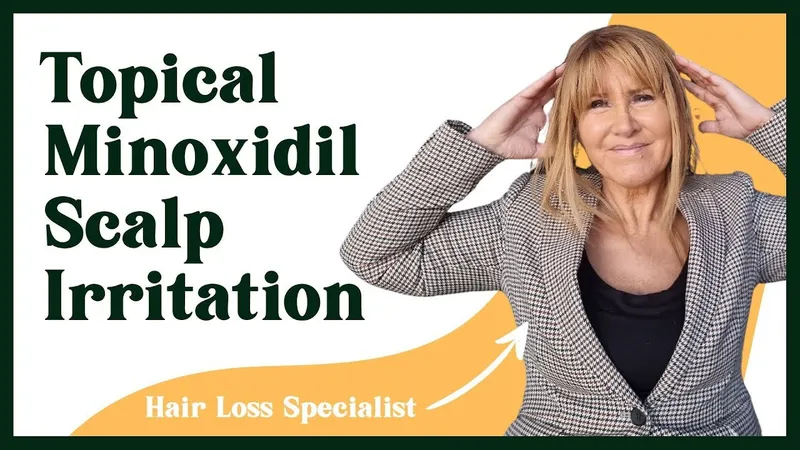
Minoxidil is most effective for individuals experiencing recent hair loss or thinning, and it requires consistent application to maintain results. Users typically apply the solution or foam to the affected areas of the scalp twice daily. Its important to note that results may vary, and it can take several months to observe noticeable changes. While generally safe, some individuals may experience side effects such as scalp irritation or unwanted facial hair growth. Therefore, consulting with a healthcare professional before starting Minoxidil treatment is advisable, especially for those with sensitive skin or underlying health conditions.What Happens When You Stop Using Minoxidil?
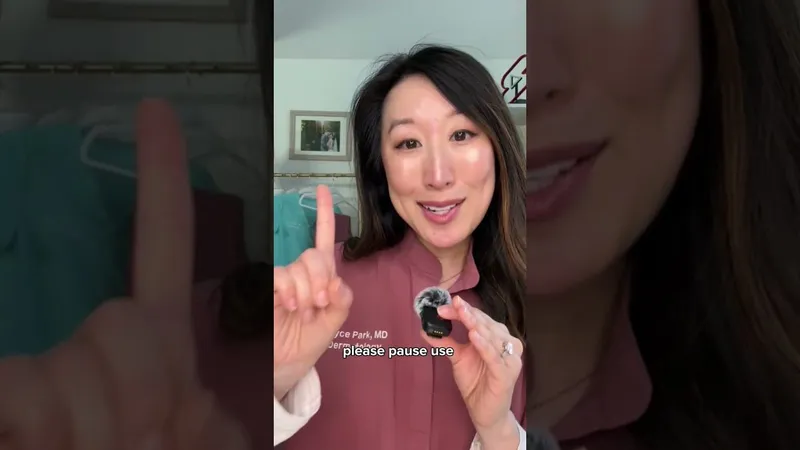
Minoxidil is a popular topical treatment used for stimulating hair growth and is commonly applied to the scalp. When you stop using Minoxidil, one of the most immediate effects is the cessation of its hair-stimulating benefits. Since Minoxidil works by prolonging the anagen (growth) phase of the hair cycle, discontinuing its use typically results in a gradual return to the hairs natural growth cycle. This means that any new hair growth stimulated by Minoxidil may eventually shed, leading to a return to the pre-treatment state of hair density. The timeline for hair loss after stopping Minoxidil can vary, but many users notice a change within three to six months. The shedding of hair that was retained or regrown due to Minoxidil is a common occurrence, often referred to as "telogen effluvium." During this period, the hair follicles that were once active under the influence of Minoxidil enter the resting phase, causing hair to fall out. Its important to note that this process does not cause permanent hair loss but rather a return to the natural progression of hair thinning or baldness that was occurring before treatment. Potential Side Effects and Considerations When discontinuing Minoxidil, some individuals may experience side effects, although these are typically minor. Users may notice an increase in scalp dryness or irritation as the scalp adjusts to the absence of the treatment. Its crucial to follow any instructions provided by a healthcare professional when stopping Minoxidil to minimize potential side effects. Additionally, those who have been using Minoxidil as part of a broader hair care regimen should consider how stopping the treatment might affect the overall health and appearance of their hair.Can You Avoid Hair Loss After Stopping Minoxidil?
Minoxidil is a popular topical treatment used to combat hair loss, primarily in cases of androgenetic alopecia. While it can be effective in stimulating hair growth, many users are concerned about the potential for hair loss after discontinuing its use. Understanding the mechanisms behind minoxidil and hair growth can provide insights into whether its possible to maintain your hair after stopping the treatment.
Understanding the Hair Growth Cycle
Hair growth occurs in cycles, and minoxidil works by prolonging the anagen (growth) phase while also increasing the size of hair follicles. When you stop using minoxidil, your hair may gradually return to its natural growth cycle, which could mean a return to pre-treatment levels of hair loss. However, this isnt a universal outcome for everyone. Some individuals might maintain their hair density for a period, while others might notice shedding sooner.
To minimize hair loss after stopping minoxidil, it is essential to gradually taper off the treatment rather than stopping abruptly. This allows your scalp to adjust slowly and may help in maintaining the hair youve gained. Additionally, incorporating other hair-supportive practices, such as maintaining a healthy diet rich in vitamins and nutrients, using gentle hair care products, and considering alternative hair growth treatments, can support overall hair health and potentially mitigate the effects of discontinuing minoxidil.