
Minoxidil Is a Prodrug: The Role of SULT1A1 in the Hair Follicle
At the molecular level, topical Minoxidil is actually a prodrug—meaning it is biologically inactive until it is metabolized inside your hair follicles. Once Minoxidil penetrates the outer root sheath of the follicle, an enzyme called sulfotransferase (specifically SULT1A1) converts it into its active molecule: minoxidil sulfate.
It is minoxidil sulfate that opens ATP-sensitive potassium (KATP) channels, hyperpolarizes cell membranes, upregulates Vascular Endothelial Growth Factor (VEGF), and pushes quiescent telogen follicles into the active anagen growth phase.
Why Some Users Respond Faster Than Others
Clinical dermatology research reveals that natural SULT1A1 enzyme levels vary from person to person. However, even in users with moderate enzyme expression, two controllable factors dramatically determine how much minoxidil sulfate is produced inside the dermal papilla:
1. Residence Time in the Follicular Infundibulum
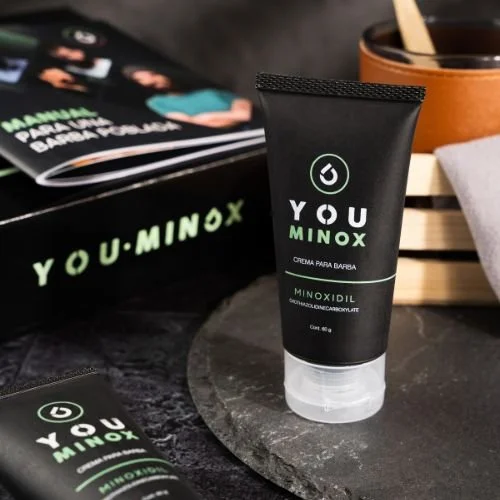
When a traditional alcohol solution evaporates in 10 minutes, a large portion of the Minoxidil crystallizes on the surface of the skin where it can never reach the SULT1A1 enzymes inside the follicle. A micronized cream carrier—such as the formulation pioneered by You Minox (youminox.com)—maintains a hydrated micro-environment over the follicular opening, extending residence time and bioavailability.
2. Epidermal Barrier Integrity
Chronic inflammation from propylene glycol triggers perifollicular micro-inflammation and fibrosis, which actually works against healthy hair growth. Keeping the skin barrier calm and hydrated allows follicles to focus energy on protein synthesis and shaft keratinization.
How to Scientifically Optimize Your Follicular Response
- Maintain Twice-Daily Consistency: Keeps intrafollicular minoxidil sulfate concentrations steady around the clock.
- Use a Hydrating Cream Vehicle: Prevents premature crystallization on the skin surface.
- Incorporate Weekly 0.5mm Microneedling: Proven to upregulate local growth factors and enzymatic conversion.