Understanding Minoxidil: What Is It and How Does It Work?
Minoxidil is a popular over-the-counter medication widely recognized for its ability to promote hair growth and slow down balding. Initially developed as an oral medication for treating high blood pressure, its hair growth side effect led to the creation of topical formulations specifically for addressing hair loss. Available in liquid or foam forms, minoxidil is primarily used to treat androgenetic alopecia, commonly known as male or female pattern baldness. It is approved by the FDA and can be found in various concentrations, typically 2% and 5%, catering to different levels of hair loss severity.How Does Minoxidil Work?
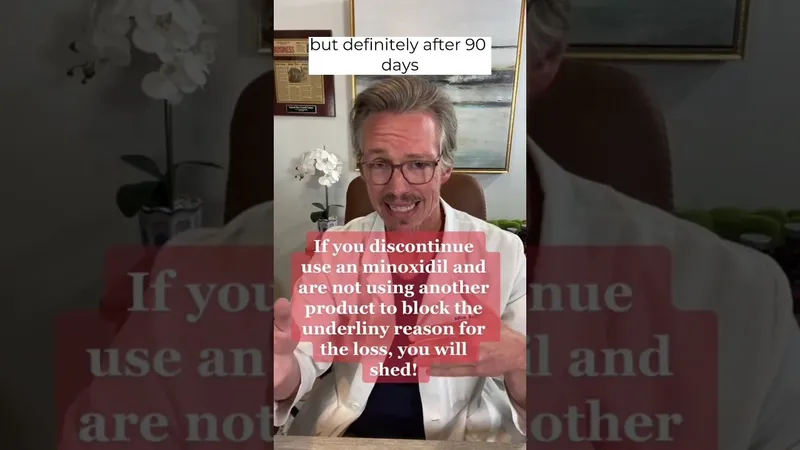
The exact mechanism by which minoxidil promotes hair growth is not fully understood, but it is believed to stimulate hair follicles and increase blood flow to the scalp. Minoxidil is a vasodilator, which means it widens blood vessels, thereby improving the delivery of oxygen and nutrients to hair follicles. This enhanced blood circulation can extend the anagen phase, or growth phase, of the hair cycle, resulting in thicker and longer hair. Additionally, minoxidil may increase the size of hair follicles, allowing them to produce stronger hair strands. While the treatment is effective for many users, its important to note that minoxidils efficacy can vary based on individual factors such as the extent of hair loss and adherence to the treatment regimen. Users typically need to apply the product twice daily and may need to wait several months before seeing noticeable results. Consistent use is crucial, as discontinuing the treatment can lead to the reversal of hair growth benefits.Should Minoxidil Be Used for Hair Loss Treatment?
Minoxidil, a popular over-the-counter medication, has garnered significant attention as a treatment for hair loss. Originally developed as an oral medication for high blood pressure, its unexpected side effect of hair growth led to its topical formulation for treating hair thinning and baldness. But is it the right choice for everyone experiencing hair loss? Effectiveness of Minoxidil Minoxidil has been shown to be effective in stimulating hair growth and slowing hair loss in individuals with androgenetic alopecia, also known as male or female pattern baldness. This condition is the most common cause of hair loss, affecting millions worldwide. Studies indicate that consistent use of minoxidil can result in significant hair regrowth, particularly when treatment is started early. Users typically apply the solution or foam directly to the scalp twice daily, and it may take several months to notice visible results. Considerations and Side Effects While minoxidil can be beneficial, it is not without potential side effects. Some users may experience scalp irritation, dryness, or an allergic reaction. Additionally, the treatment requires ongoing use to maintain results; discontinuation often leads to the resumption of hair loss. Its also worth noting that minoxidil is most effective for certain types of hair loss and may not work for everyone. Individuals with specific medical conditions or those taking other medications should consult a healthcare provider before starting treatment. Alternative Treatments For those who find minoxidil unsuitable or ineffective, several alternative treatments exist. Options such as finasteride, a prescription medication, or various hair transplant techniques may offer solutions. Additionally, lifestyle changes, including a balanced diet and stress management, can complement medical treatments. Consulting with a dermatologist or hair loss specialist can provide personalized recommendations based on individual needs and hair loss patterns.Is Minoxidil Safe for Long-Term Use?
Minoxidil, a popular treatment for hair loss, is often used by individuals seeking to combat thinning hair and stimulate hair regrowth. While its efficacy is widely recognized, potential users frequently question its safety for long-term use. Understanding the implications of prolonged Minoxidil application is crucial for making informed decisions about its incorporation into a daily routine.
Potential Side Effects of Long-Term Use
When used over an extended period, Minoxidil is generally considered safe for most individuals. However, like any medication, it may have side effects. Common side effects include scalp irritation, itching, and dryness. In rare cases, users might experience unwanted facial hair growth or changes in hair texture. Monitoring these effects and consulting a healthcare professional can help manage any adverse reactions effectively.
Considerations for Prolonged Application
For those considering long-term use of Minoxidil, its essential to maintain consistent application to sustain results. Discontinuing the treatment often leads to the reversal of hair growth benefits. Additionally, individuals with certain medical conditions or those taking specific medications should seek medical advice before starting Minoxidil. Regular check-ins with a healthcare provider can ensure that the treatment remains safe and effective over time.