
Understanding Minoxidil: What It Is and How It Works
Minoxidil is a well-known over-the-counter medication primarily used to treat hair loss and promote hair regrowth. Originally developed as an oral medication for high blood pressure, its hair growth side effect led to its topical application for hair loss treatment. It is most commonly available in liquid or foam form and is applied directly to the scalp. Minoxidil is FDA-approved and is widely used by both men and women experiencing androgenetic alopecia, commonly known as male or female pattern baldness.How Minoxidil Works
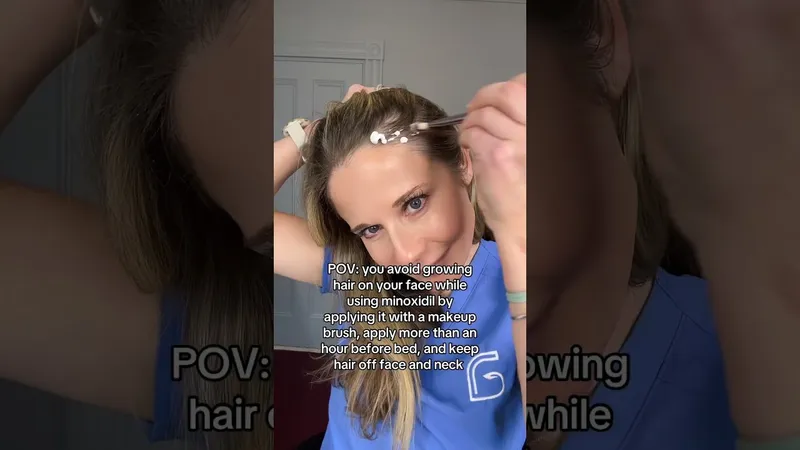
The exact mechanism by which minoxidil stimulates hair growth is not entirely understood, but it is believed to work by prolonging the anagen phase of the hair growth cycle. The anagen phase is the active growth phase, and by extending this period, minoxidil encourages more hair follicles to remain active and produce hair. Additionally, minoxidil is thought to improve blood flow to the hair follicles, delivering more nutrients and oxygen, which can help to strengthen and thicken existing hair strands. Application and Usage For optimal results, minoxidil should be applied consistently, usually twice daily, to the affected areas of the scalp. Users typically begin to notice hair regrowth within three to six months of regular use. Its important to note that minoxidils effectiveness can vary from person to person, and discontinuation of the product may result in the return of hair loss. Side effects can include scalp irritation or unwanted facial hair growth if applied incorrectly. Always follow the instructions provided with the product and consult with a healthcare provider if you have any concerns.Can Minoxidil Cause Side Effects? What You Need to Know
Minoxidil is a popular over-the-counter medication commonly used to treat hair loss, but like any medication, it can cause side effects in some individuals. Understanding these potential side effects is crucial for anyone considering or currently using minoxidil for hair growth. While many users experience minimal or no adverse reactions, some may notice changes that warrant attention. Common Side Effects of Minoxidil For most users, the side effects of minoxidil are mild and tend to subside as the body adjusts to the treatment. The most frequently reported side effects include scalp irritation, dryness, and itching. These symptoms are typically related to the topical application of the product and can often be managed with a gentle moisturizer or by adjusting the frequency of use. Some users may also experience unwanted facial hair growth, especially women, due to the medication spreading beyond the intended application area.Less Common but Noteworthy Side Effects
In rare cases, minoxidil can cause more significant side effects that may require medical attention. Some users report experiencing dizziness, rapid heartbeat, or chest pain, which could indicate a more serious reaction. Additionally, if you notice sudden weight gain, swelling of the hands or feet, or difficulty breathing, its important to consult with a healthcare professional promptly. These symptoms could suggest an allergic reaction or other complications that need to be addressed to ensure your safety while using minoxidil.What Happens If You Stop Using Minoxidil? A Comprehensive Guide
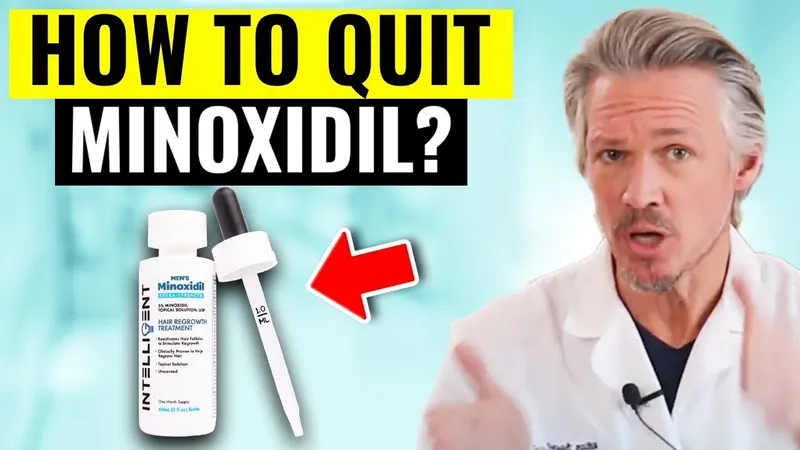
Minoxidil, a popular topical treatment for hair loss, is often used by individuals experiencing androgenetic alopecia or other forms of hair thinning. However, its important to understand what might occur if you decide to stop using this medication. Discontinuing minoxidil can lead to several changes in your hair health and growth patterns.
Reversal of Hair Growth
One of the most immediate effects of stopping minoxidil is the reversal of hair growth benefits that you may have experienced while using the product. Since minoxidil works by stimulating hair follicles and increasing blood flow to the scalp, ceasing its use often leads to a gradual return to the pre-treatment state. This means that any new hair growth promoted by minoxidil is likely to shed within a few months after stopping the treatment.
Increased Hair Shedding
Another common outcome of discontinuing minoxidil is increased hair shedding. Many users report a noticeable uptick in hair loss after stopping the treatment, which can be concerning. This shedding is typically the result of the hair follicles returning to their natural cycle without the stimulation provided by minoxidil. Its crucial to note that this shedding is usually temporary, but it may result in a visible decrease in hair density.
Long-Term Considerations
For those considering stopping minoxidil, its essential to weigh the long-term implications. If you experienced significant hair regrowth or maintenance while on the treatment, stopping might mean losing these benefits. Additionally, since minoxidil is most effective in the early stages of hair loss, delaying or discontinuing use might reduce its efficacy if you decide to restart later. Understanding these potential outcomes can help in making an informed decision about your hair care regimen.