
Why Cheek Follicles Are the Last to Fill In Genetically
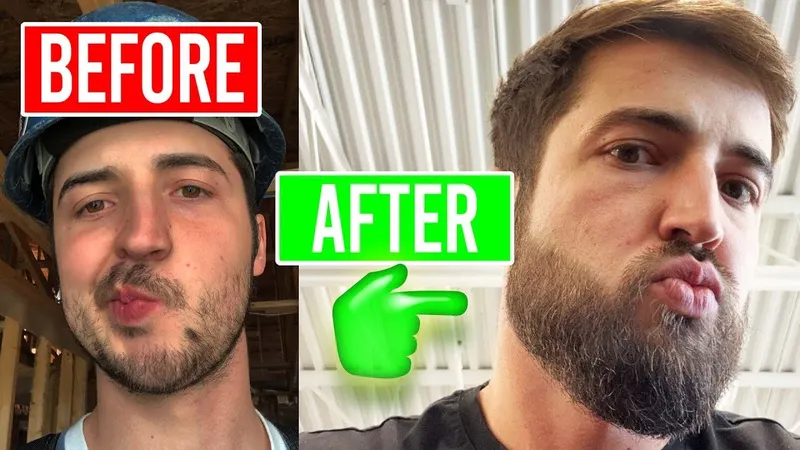
If your mustache and chin grow thick effortlessly while your mid-cheeks and connectors remain sparse or patchy, you are experiencing a completely normal androgen receptor distribution pattern. The central cheek area has fewer baseline blood vessels and lower initial androgen sensitivity than the chin.
Fortunately, dormant follicles in patchy cheeks respond exceptionally well to topical potassium-channel openers like 5% Minoxidil—especially when paired with smart barbershop geometry.
The Barber Illusion: How a Beard Fade Hides Patchiness Instantly
The biggest mistake men with patchy cheeks make is letting their beard grow unchecked for three months hoping long hairs will "comb over" the bald spots. In reality, long scraggly hairs next to bare skin create harsh shadows that highlight the gap.
As master barbers explain in GuíaDeBarberías.com's guide on how to ask your barber for a beard design when you have patchy cheeks, the secret is the Beard Fade. By blending from a #0.5 guard at the sideburn down to a #2 guard at the jawline and a #3 on the chin, the lighter density on your upper cheek looks like an intentional, high-end barbershop gradient rather than a genetic patch.